India Is The First Country
To Reach Mars in its First Attempt...
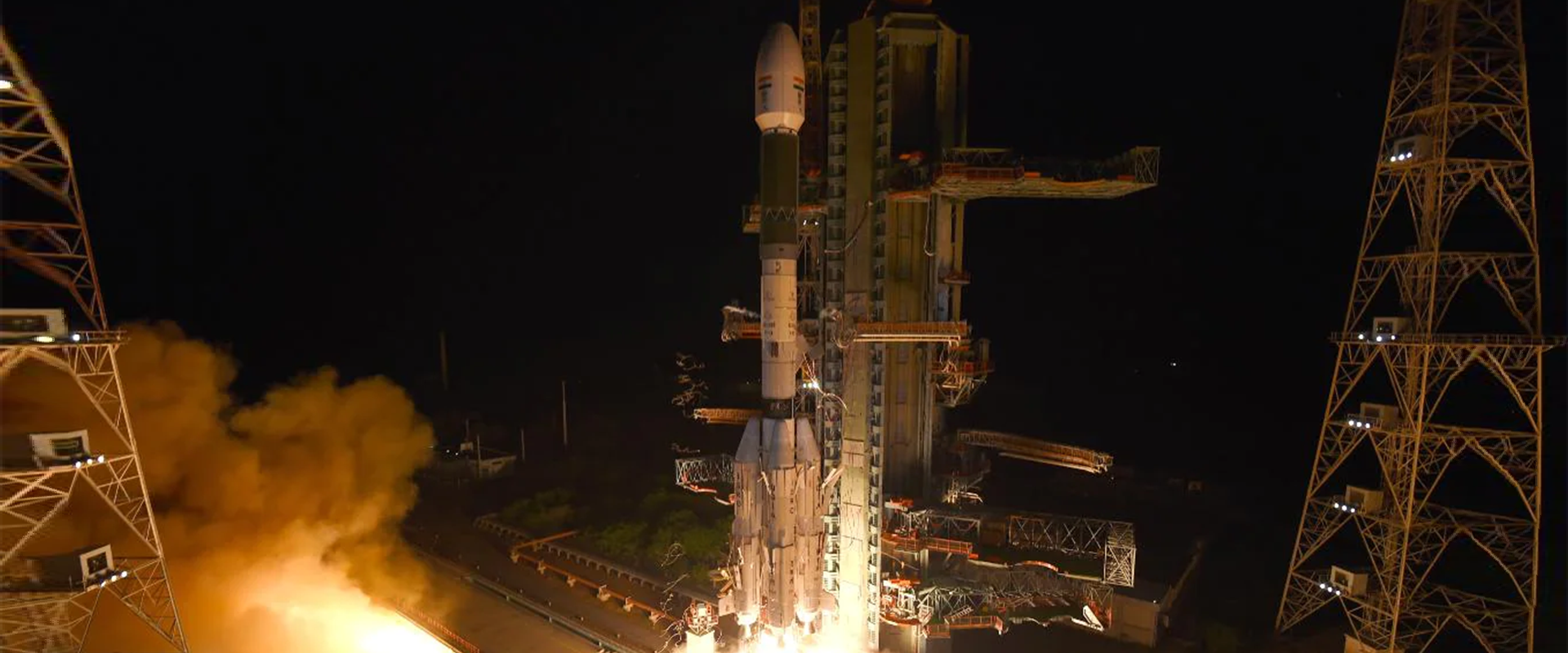
05,NOVEMBER.2013
When ISRO Launched PSLV-C25 Towards Mars...

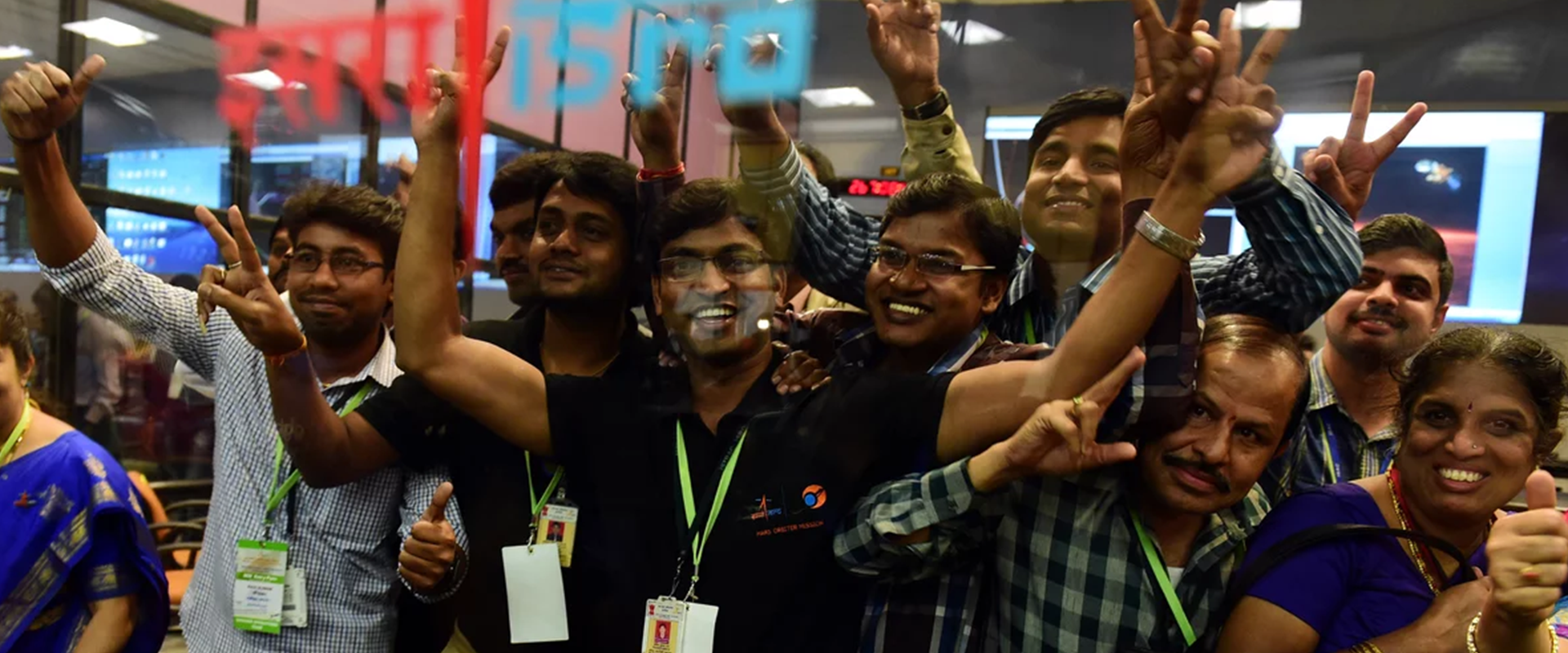
24,SEPTEMBER.2014
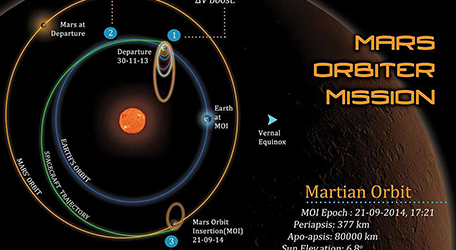
When PSLV-C25 Entered Mars Obitier -
Isro Team celbrated Victory Of his
Hardwork...
India decided to go to space when Indian National Committee for Space Research (INCOSPAR) was set up by the Government of India in 1962. With the visionary Dr Vikram Sarabhai at its helm, INCOSPAR set up the Thumba Equatorial Rocket Launching Station (TERLS) in Thiruvananthapuram for upper atmospheric research. Indian Space Research Organisation, formed in 1969, superseded the erstwhile INCOSPAR. Vikram Sarabhai, having identified the role and importance of space technology in a Nation's development, provided ISRO the necessary direction to function as an agent of development. ISRO then embarked on its mission to provide the Nation space based services and to develop the technologies to achieve the same independen Throughout the years, ISRO has upheld its mission of bringing space to the service of the common man, to the service of the Nation. In the process, it has become one of the six largest space agencies in the world. ISRO maintains one of the largest fleet of communication satellites (INSAT) and remote sensing (IRS) satellites, that cater to the ever growing demand for fast and reliable communication and earth observation respectively. ISRO develops and delivers application specific satellite products and tools to the Nation: broadcasts, communications, weather forecasts, disaster management tools, Geographic Information Systems, cartography, navigation, telemedicine, dedicated distance education satellites being some of them. To achieve complete self reliance in terms of these applications, it was essential to develop cost efficient and reliable launch systems, which took shape in the form of the Polar Satellite Launch Vehicle (PSLV). The famed PSLV went on to become a favoured carrier for satellites of various countries due to its reliability and cost efficiency, promoting unprecedented international collaboration. The Geosynchronous Satellite Launch Vehicle (GSLV) was developed keeping in mind the heavier and more demanding Geosynchronous communication satellites. Click me to read more abot ISRO
ABOUT ISRO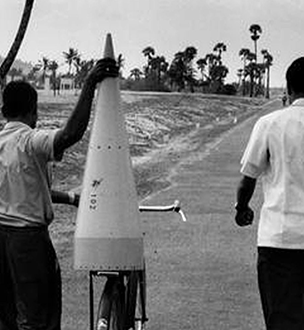
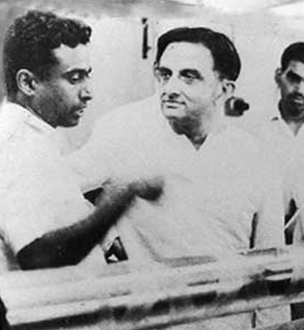
Dr Sarabhai and Dr Kalam.
A photograph from the early stages of the Indian space programme.
Da sarbhai & Dr Kalam
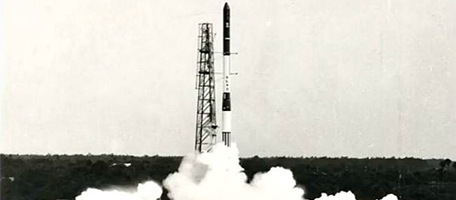
On August 10,1977 Isro Launced First Mission .
Aug 10,1977
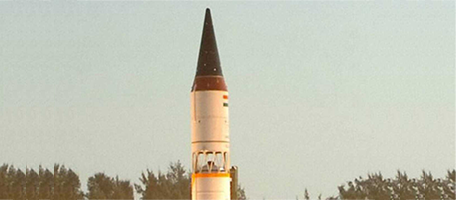
On Apr 19,1974 Isro Launced First Spacecrafts.
Apr 19,1974
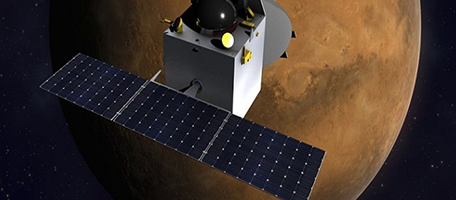
On Aug 24,2014 PSLV-C25 entered mars .
September24, 2014
Marking India's first venture into the interplanetary space, MOM will explore and observe Mars surface features, morphology, mineralogy and the Martian atmosphere. Further, a specific search for methane in the Martian atmosphere will provide information about the possibility or the past existence of life on the planet. The enormous distances involved in interplanetary missions present a demanding challenge; developing and mastering the technologies essential for these missions will open endless possibilities for space exploration. After leaving Earth, the Orbiter will have to endure the Interplanetary space for 300 days before Mars capture. Apart from deep space communications and navigation-guidance-control capabilities, the mission will require autonomy at the spacecraft end to handle contingencies. Once India decided to go to Mars, ISRO had no time to lose as the nearest launch window was only a few months away and it could not afford to lose the chance, given the next launch would present itself after over 780 days, in 2016. Thus, mission planning, manufacturing the spacecraft and the launch vehicle and readying the support systems took place swiftly. Click me to read more abot ISRO
PROJECT-MOM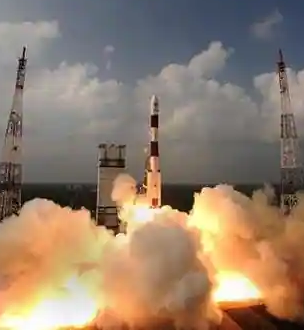
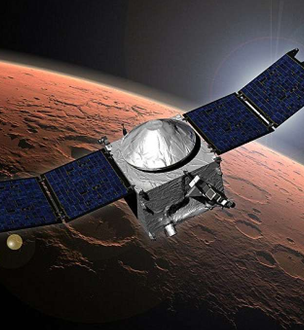
ISRO Mangalyaan mission achieved success on September 24, 2014. Here's a look at the timeline of events behind it and the people that made the mission a reality. On September 24, 2014, India created history when it achieved success with its first-ever Mars mission, Mangalyaan. The mission was launched by ISRO on November 5, 2013, onboard PSLV-C25 rocket which took the Mars Orbiter into space on its twenty-fifth flight. The mission was launched from the first launch pad at Satish Dhawan Space Centre SHAR, Sriharikota and has since remained in the planet's orbit, outliving its initial mission life of 6 months. Mangalyaan's flight of great significance to the nation as it not only became India's first interplanetary mission but also made it the first Asian nation to reach Mars' orbit and more importantly, the first nation in the world to do so on its first attempt Click me to read more abot ISRO
ABOUT TEAM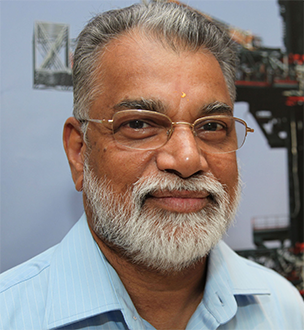
- Chairman ISRO
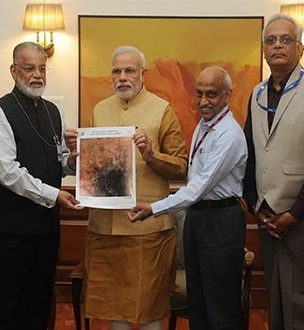
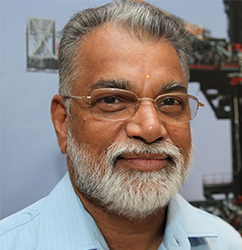
Koppillil Radhakrishnan (born 29 August 1949) is an Indian space scientist who headed the ISRO between November2009and December 2014 as Chairman of Space Commission Secretary of the Department of Space and Chairman of ISRO. Prior to this, he was the Director of Vikram Sarabhai Space Centre (2007-2009) and Director of National Remote Sensing Agency (2005-2008) of the Department of Space. He had a brief stint of five years (2000-2005) in the Ministry of Earth Sciences as Director of Indian National Centre for Ocean Information Services ...
READ MORE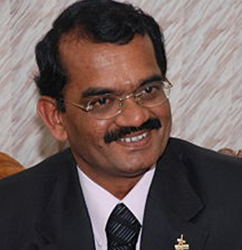
- Programme Director
Mylswamy Annadurai, popularly known as Moon Man of India, is an Indian scientist working as vice president for Tamil Nadu State Council for Science and Technology , Chairman, Board of Governors, National Design and Research Forum(NDRF. He was born on 2 July 1958, in a village called Kothavadi near Pollachi in Coimbatore district, Tamil Nadu state of India). Prior to taking this assignment he was with ISRO and served as Director, ISRO Satellite Centre , Bangalore. During his 36 years of service in ISRO, he had some of the major contributions, including two of the major missions of ISRO, Chandrayaan-1 and Mangalyaan...
READ MORE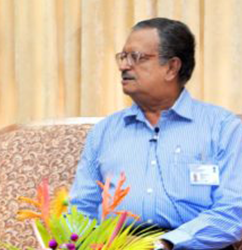
- Director
Dr Ramakrishnan, former Director of Vikram Sarabhai Space Centre at (ISRO), is one of the key architects of the Indian Polar Satellite Launch Vehicle (PSLV) program. He is noted for his decisive role in enhancing the performance of PSLV through systematic upgrading and evolving robust operational protocol to ensure sustained vehicle reliability and mission success. His major work has been in the areas of Propulsion Systems Development, Launch Vehicle Engineering and Project management. In recognition of his outstanding contributions, he received ‘Padma Shri’ in the field of Science & Engineering in 2003...
READ MORE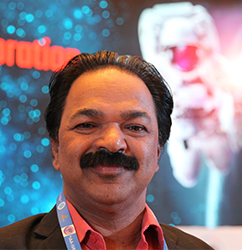
- Project Director
P. Kunhikrishnan, a Distinguished Scientist (Apex Scale) of (ISRO) and Member of Space Commission, Govt. of India was Director, URSC from August 2018 to May 2021. He assumed as Director of U.R. Rao Satellite Centre (URSC), the lead Centre in the country for design, development and realization of all the satellites of ISRO, on 1st August, 2018. During his tenure, he spearheaded the satellite fraternity in ISRO towards realising various types of satellites to meet the increasing national requirements in the areas like communication, navigation, remote sensing, meteorology and inter-planetary exploration...
READ MORE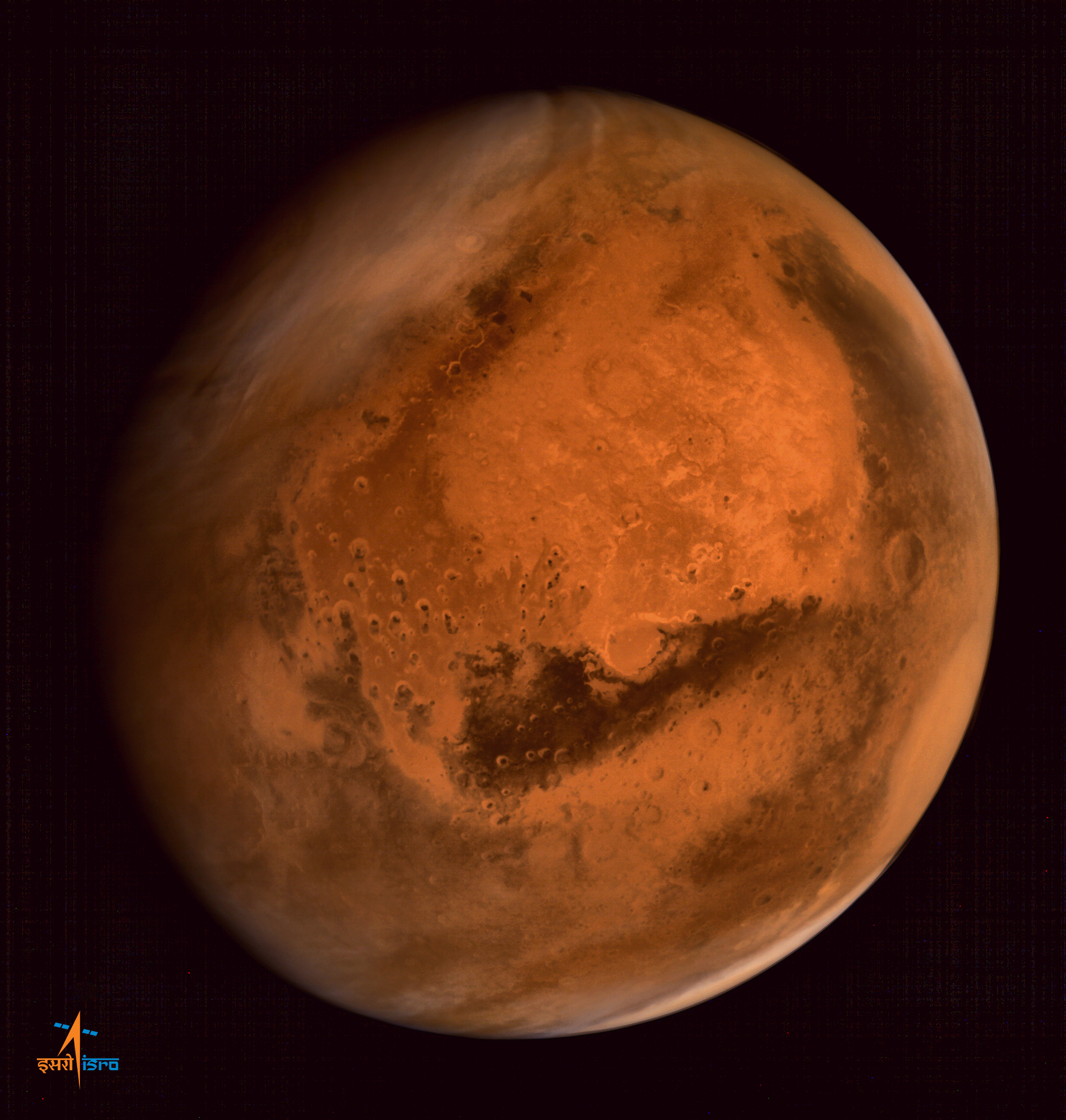
Regional dust storm activities over Northern Hemisphere of Mars - captured by MCC
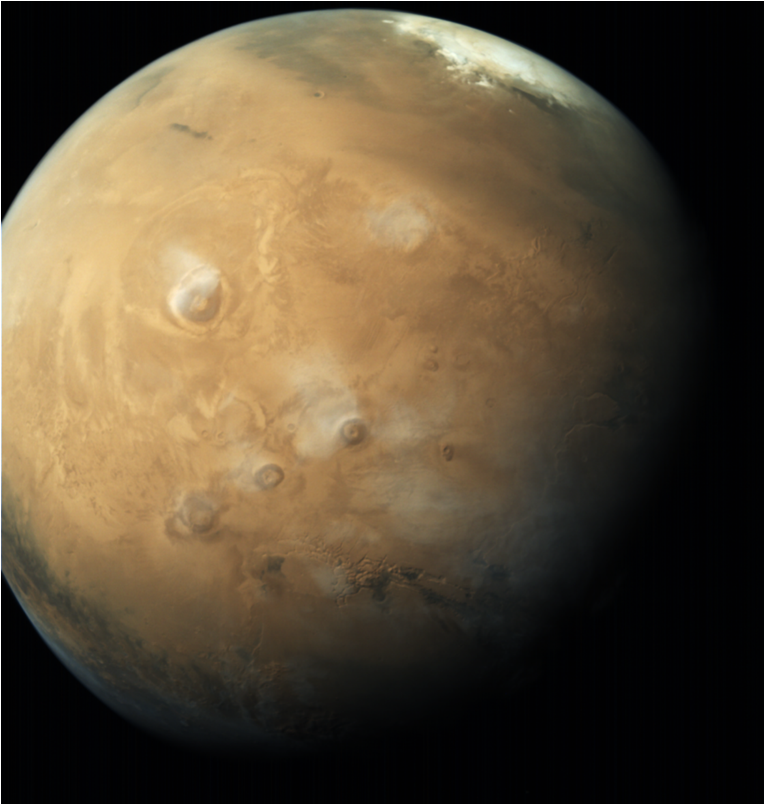
Global Shot of Mars
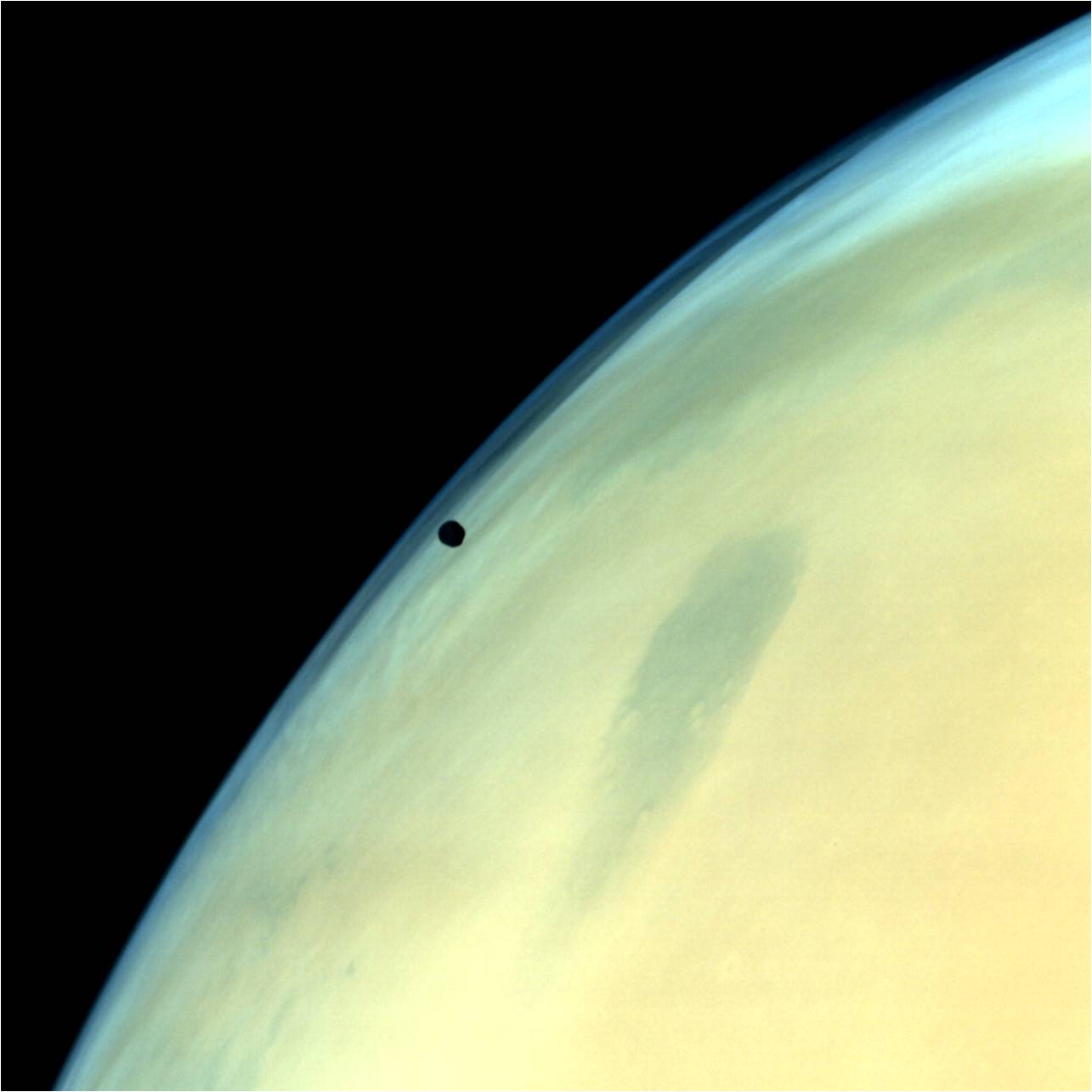
Phobos, one of the two natural satellites of Mars silhouetted against the Martian surface
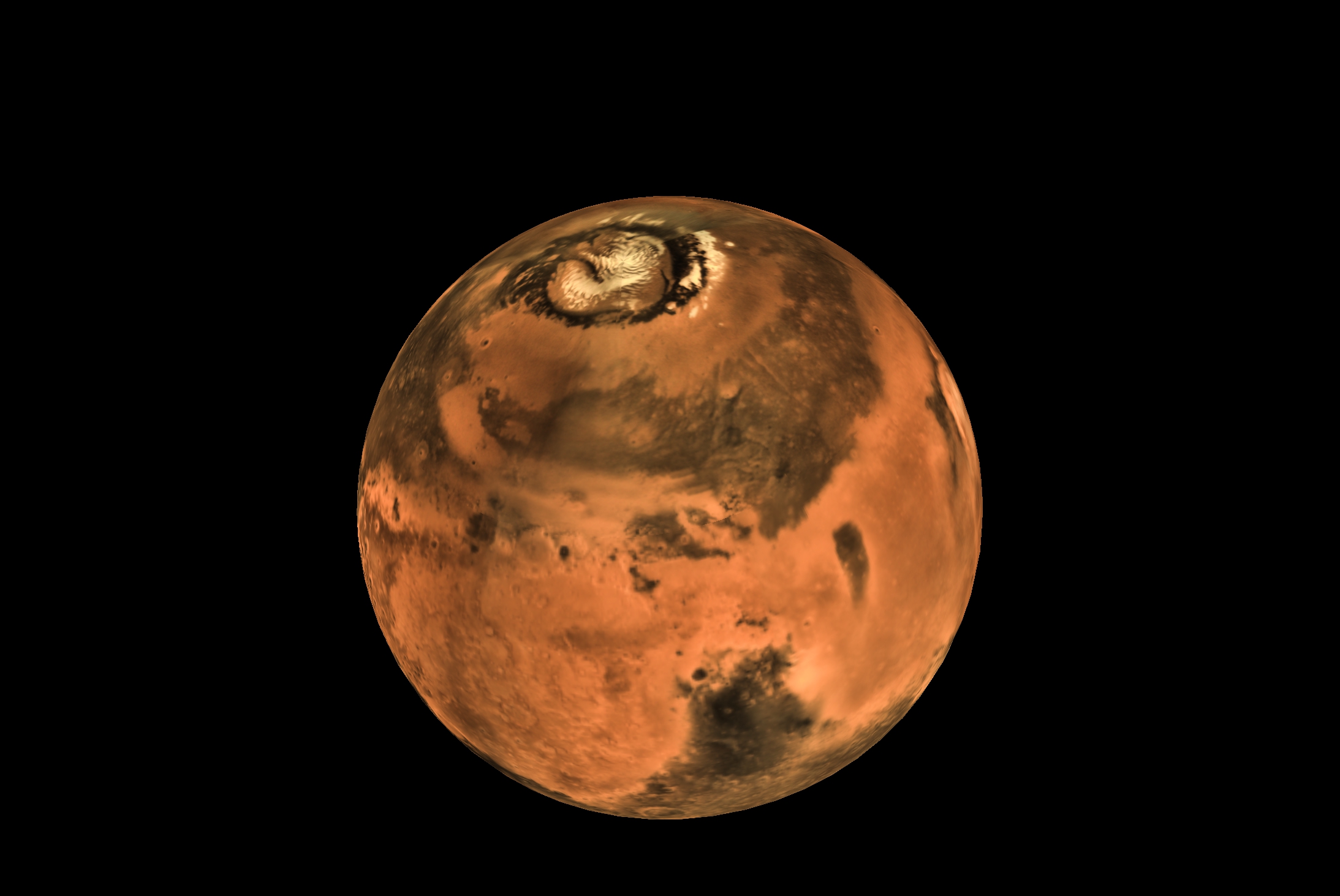
mage from Mars global mosaic
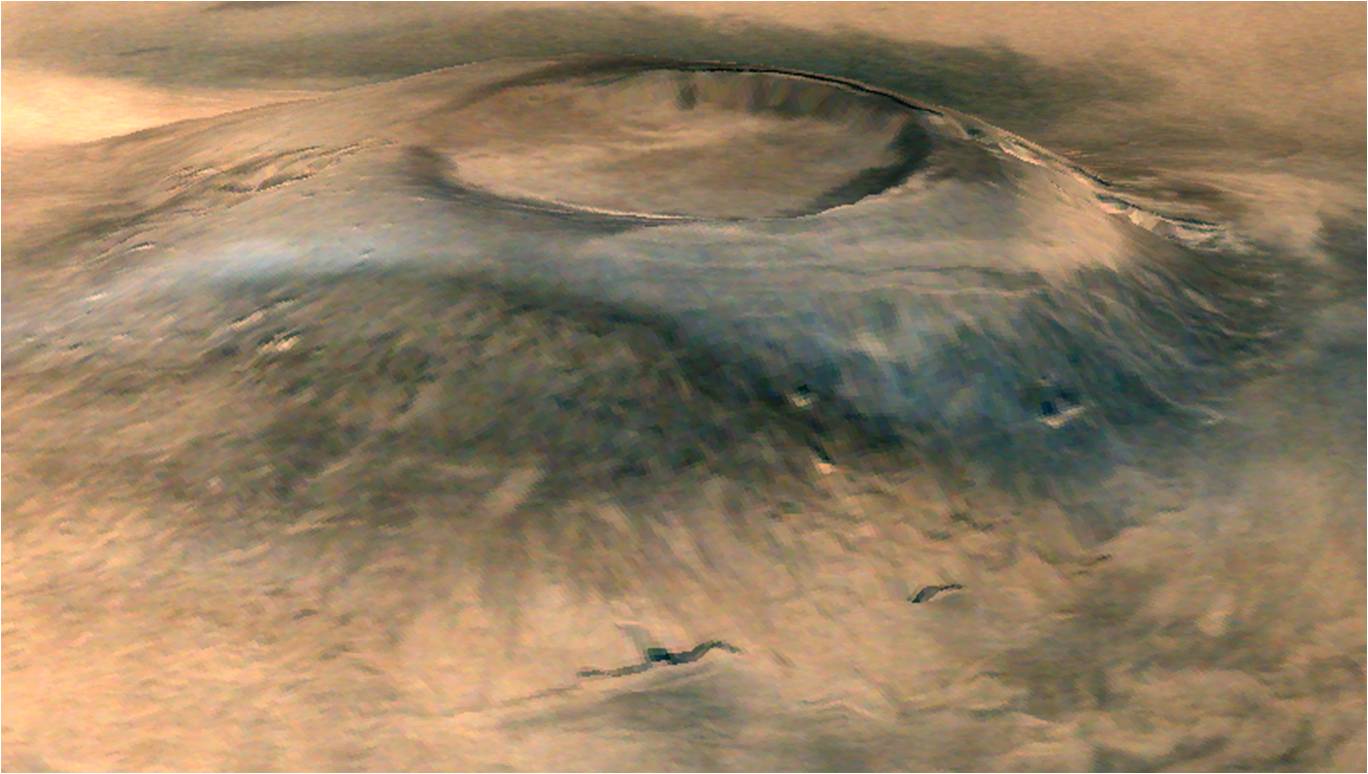
Spectacular 3D view of Arsia Mons, a huge volcano on Mars
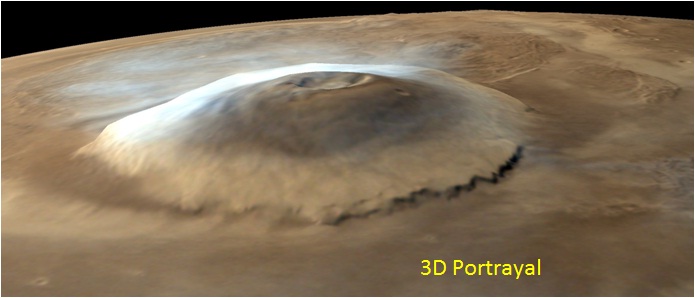
3D Portyal
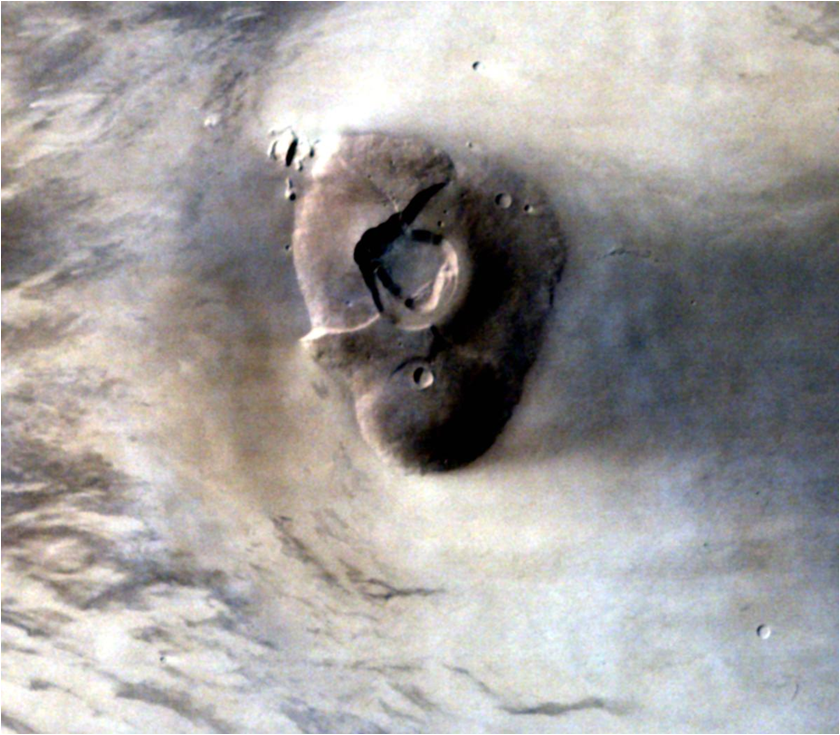
Shield Volcano Tharsis Tholus
Impact crater located SW of Huygens crater
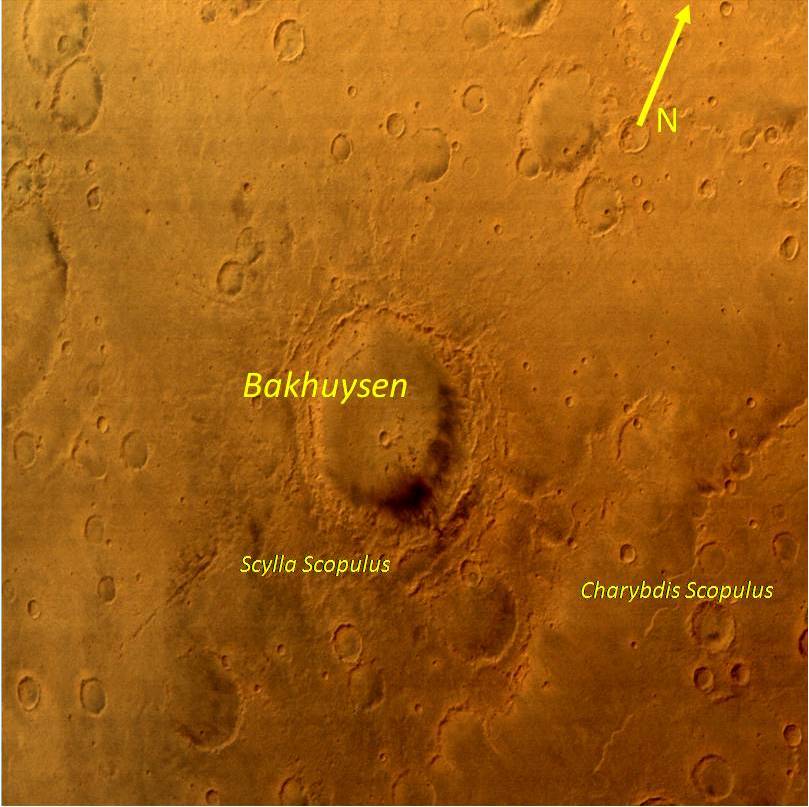
MCC Image of Bakhuysen Crater
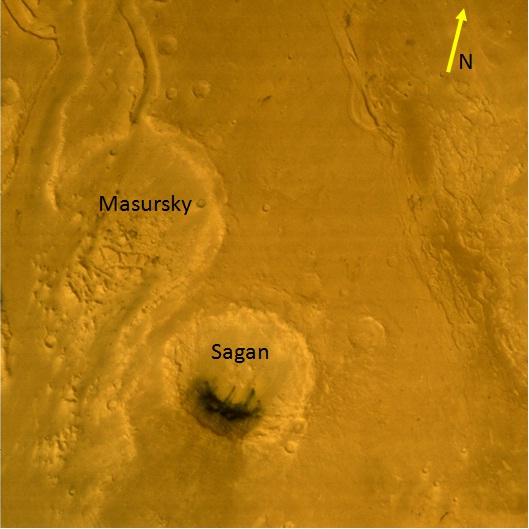
Masursky and Sagan - Craters on the planet Mars
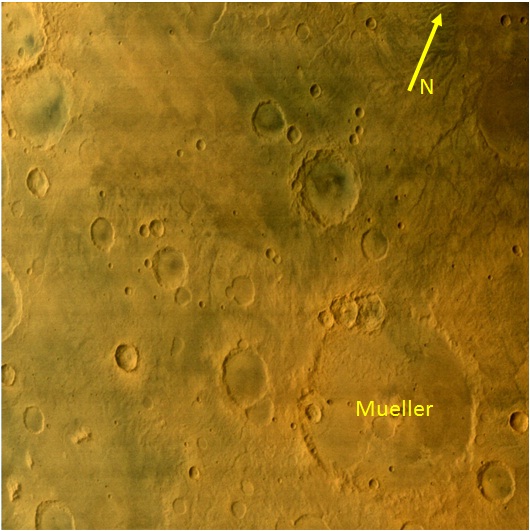
Tyrrhenum quadrangle of Mars
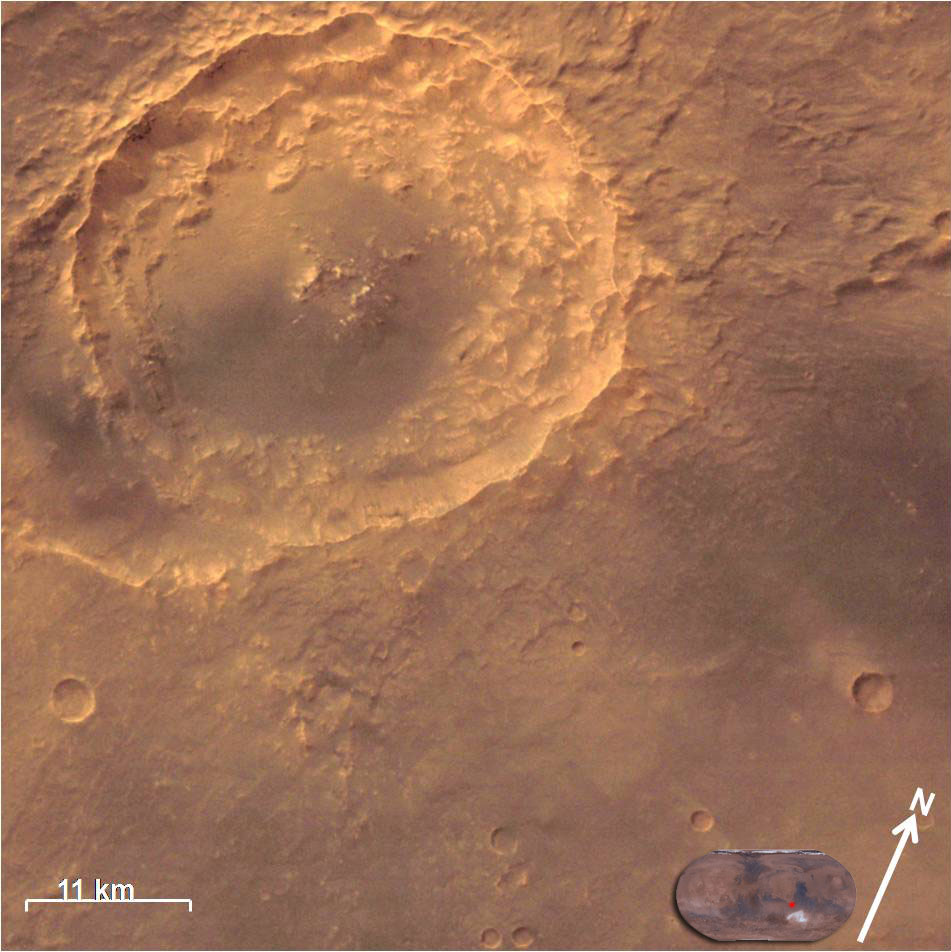
Impact crater located SW of Huygens crater
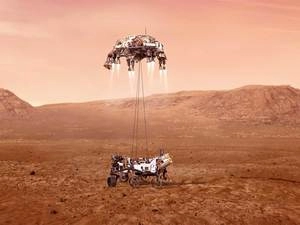
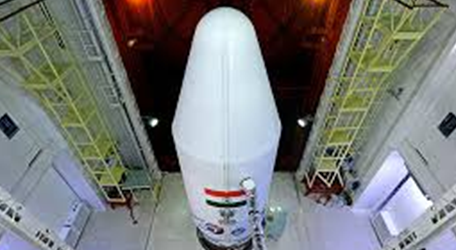
The orbiter lifted off from the Satish Dhawan Space Centre in Sriharikota in November 2013
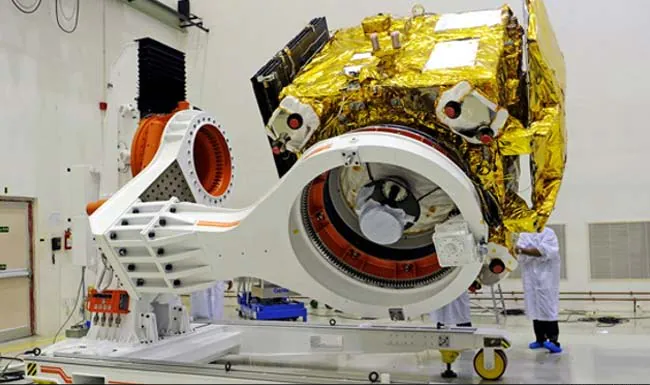
ISRO's Mars Orbiter Mission, informally called Mangalyaan, ahead of its launch. (Indian Space Research Organisation)
Please fill the form carefull, Please drop us a line if you've any query.